
Crossing Continents: Preparing for Regal.ia’s Rwanda Launch
This is a subtitle for your new post
From Calls to Connection
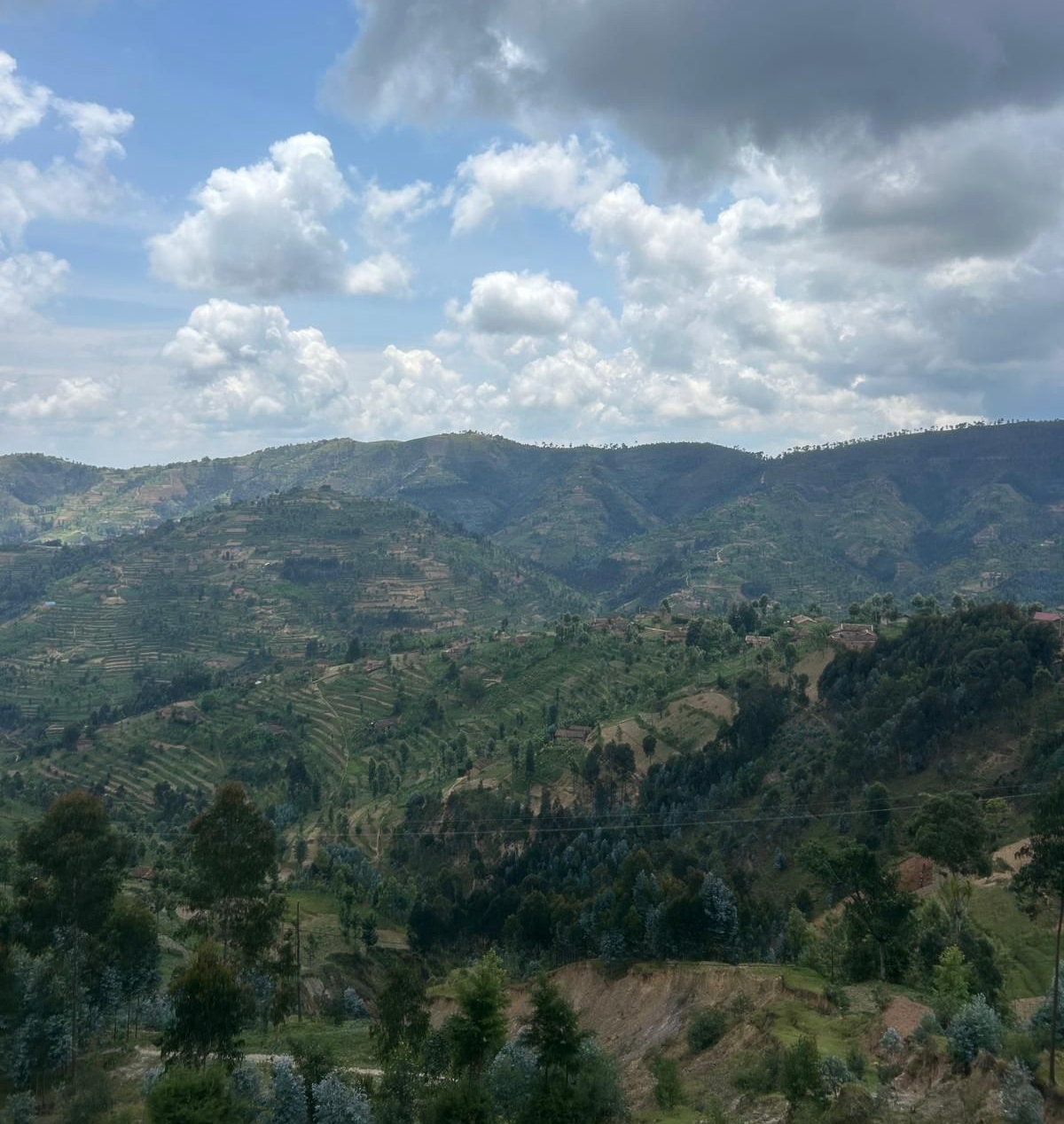
For months, Ramba and I had been building Regal.ia’s MVP through screens — late-night strategy sessions, shared documents, and design frameworks stretched across time zones. But this conversation, held just before my flight to Kigali, marked a shift. This wasn’t theory anymore. It was about arrival — grounding the system we’d designed in the reality of Rwanda’s cities, land, and people.
“When you get here,” Ramba said, “I’ll show you the city. We’ll drive, meet the people, and start building. Then we’ll see how the system fits the ground.”
That blend of hospitality and precision captured what makes this collaboration so powerful: the human scale of a digital vision.
Designing the Roadmap
The conversation wasn’t just about travel details — it was about aligning strategy. We discussed everything from stakeholder outreach to data models, but the underlying theme was focus: how to make the MVP functional, credible, and financially grounded.
“Our main goal,” Ramba said, “is to generate revenue as soon as possible. We need traction to show investors that the model works.”
While many of my early Regal.ia proposals included partnerships with NGOs and public agencies, Ramba pushed us toward a stronger private-sector orientation.
“The private sector is motivated by results,” he explained. “When you work, you grow. It’s measurable. With NGOs, it’s not always that clear.”
That perspective helped sharpen Regal.ia’s MVP positioning — as a platform for self-sustaining collaboration, not one dependent on donations or external aid.
Building the Stakeholder Map
As I packed for Kigali, I was also preparing a list — potential partners, universities, investors, and government agencies. Ramba offered to connect me with local contacts and even suggested delegating small research tasks to his network to accelerate onboarding.
“You focus on what you do best,” he said. “We’ll find people who can help gather information. You’ll have support.”
We agreed that the MVP’s first month would focus on three priorities:
- Stakeholder Mapping: identifying who can influence, invest in, or benefit from the model.
- Prototype Contextualization: grounding the MVP in Rwandan systems — data, planning, and policy.
- Revenue Model Refinement: testing where early value could be generated.
It was a simple but strategic framework — one that balanced ambition with structure.
A Practical Partnership
There’s something special about how Regal.ia and Imali collaborate. Our conversations flow from complex design logic to the most human details — like mirrors, outlets, and plant shops.
“Just tell me the size of the mirror you need,” Ramba laughed. “If you like plants, I’ll show you the best shops — or we’ll plant our own.”
Those moments reminded me that even the most visionary systems are built by people who care about living well together. The MVP isn’t just about data or property — it’s about shaping environments where people thrive.
Universities, Data, and the Future Workforce
We also discussed outreach to Carnegie Mellon University Africa and other local institutions to collaborate on data science, system testing, and technical capacity.
“They understand the tech side,” Ramba said. “If we can get them involved, it becomes a national story — not just a project.”
That collaboration could make Regal.ia a hub for applied research, where students and technologists test new tools in real-world housing markets — a bridge between academic rigor and urban practice.
Local Roots, Global Reach
As we finalized plans, the conversation turned outward again — toward visibility, global connection, and diaspora investment.
“If we can bring Rwandan properties onto international platforms,” Ramba suggested, “we show that local markets can compete globally. It builds credibility — and income.”
That sparked a discussion about positioning Regal.ia as a bridge between African land and global capital, while ensuring local communities share in the value created.
“Regal.ia isn’t about displacement,” I said. “It’s about access — making sure those who already live and build here benefit when new investment arrives.”
That balance — between inclusion and innovation — defines Regal.ia’s philosophy.
Aligning on Values
We ended the call by revisiting our partnership agreement — clarifying timelines, renewal terms, and shared expectations. It wasn’t just administrative; it was symbolic.
“You’ve done your part,” Ramba said. “Now it’s on me to make sure the next steps are solid. Let’s help each other make it happen.”
That spirit of reciprocity is the foundation of this work. It’s why Regal.ia’s Rwanda pilot isn’t just a project — it’s a model for how collaboration can cross borders, systems, and mindsets.