
Airbnb for Real Estate: Inside the Rwanda Pilot
Critical Conversations: Regal.ia x Imali Series
Setting the Scene in Kigali
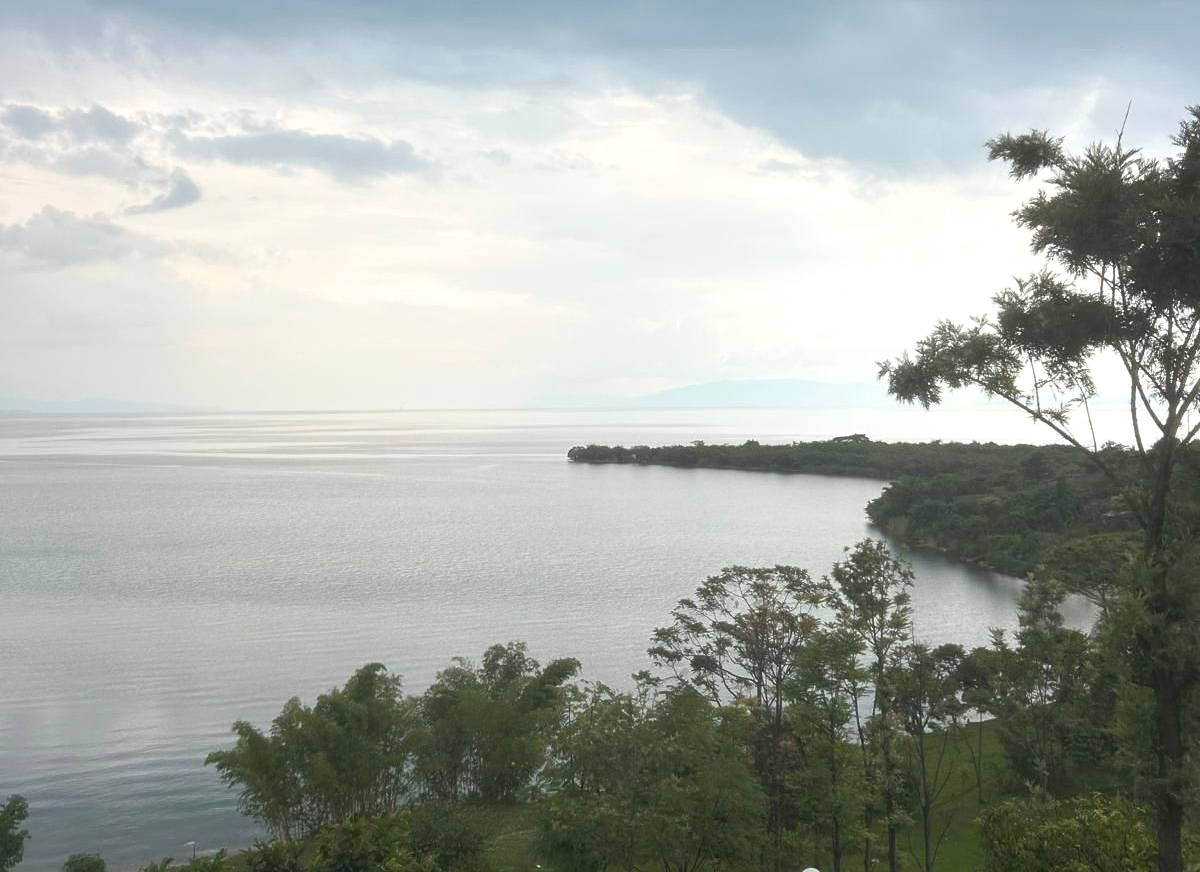
When I first landed in Kigali, I knew this wasn’t going to be a typical pilot. Rwanda’s hills carry a quiet rhythm — construction cranes rising beside banana groves, families building brick by brick, and a generation ready to shape the next chapter of African development. This was the beginning of Regal.ia’s first on-the-ground pilot in East Africa — and the first episode in our Critical Conversations series. I sat down with Ramba Methode, founder of Imali, to explore what it would take to build something much bigger than a single housing project: a new way to make development work for everyone involved.
The Spark — When Regal.ia Met Imali
When Regal.ia started, my goal was simple — to create a system that helps developers, investors, and architects understand where to build, how to build, and who to build with. During early research, I reached out to Ramba after learning about his work across Rwanda. He’s been in real estate for over a decade, developing everything from small multifamily buildings to larger townhouse complexes. When I asked him what was next, he said plainly:
“We have an intention to do 3,000 units per year. But to get there, we need to organize the market.”
That line stuck with me. Organizing the market — that’s the foundation of Regal.ia’s mission too.
From Housing Units to a Housing Network
Ramba explained that Rwanda’s biggest opportunity isn’t just land, it’s data. Every parcel in Rwanda already has a Unique Parcel Identifier (UPI) — a digital record with ownership, zoning, and land-use information. But as Ramba said,
“The information is there. It’s just stuck.”
His vision is to add a “matchmaking layer” that connects what’s already digitized to what’s missing: the human and economic relationships between landowners, investors, and developers. That’s where Regal.ia comes in — by layering data from geography, climate, and materials to make development smarter and more equitable. The goal isn’t just to build homes faster, but to make sure everyone around those homes benefits — from local suppliers to future residents.
The ‘Airbnb for Real Estate’ Idea
Midway through our conversation, Ramba leaned forward and said something that completely reframed our partnership:
“We want to make real estate as simple as booking a stay — an Airbnb for housing.”
In this model, landowners could upload their plots to a shared platform. Regal.ia’s system would run feasibility tests, analyzing zoning, soil, and cost data. If the project is viable, investors could decide whether to fund it — not just big investors, but fractional ones, pooling smaller amounts together to make big projects happen. Once a project is funded, developers and suppliers would enter smart contracts that pay automatically based on progress milestones. Even a small supplier with bricks or materials could invest in the project and earn equity. It’s an elegant model that flips traditional development on its head — from opaque and exclusive to transparent, traceable, and participatory.
“Everyone gets to play their role,” Ramba said. “From the landowner to the builder, to the bank. Everyone can focus on what they do best.”
Testing the System — What Comes Next
For Regal.ia, this pilot is a sandbox for learning — testing how spatial data, blockchain logic, and on-the-ground realities intersect. For Imali, it’s a way to make development scalable and inclusive.
As I told Ramba before we wrapped:
“If we can make this system intuitive for someone who isn’t a data scientist or developer — but powerful enough to manage large investments — then we’ve done something transformative.”
The next phase is to map roles, build prototypes, and define how money flows through the ecosystem. We’re documenting the full journey, not just as research, but as a living framework that can evolve with the needs of the people who build and inhabit these spaces.