Who’s Paying for This?
Development Finance, Gentrification, and Community Power
Every development project begins with a vision. But before anything gets built, one question determines what is possible:
Who’s paying for this?
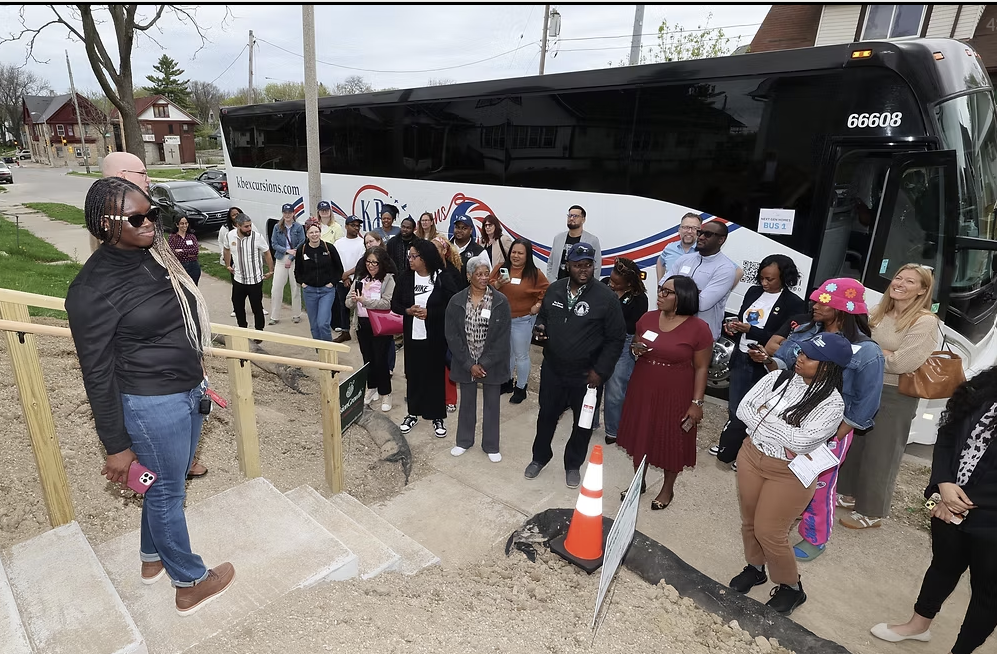
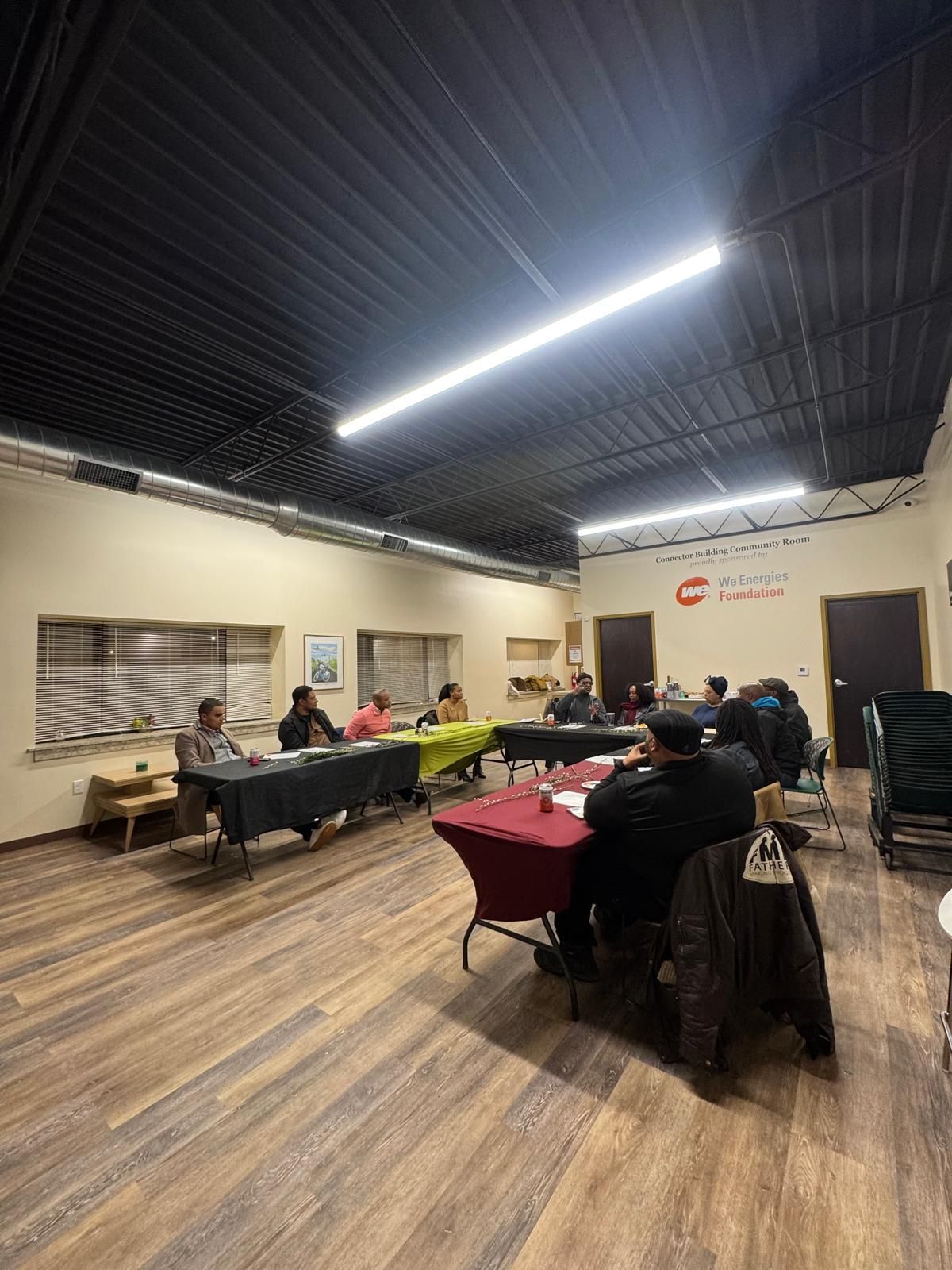
That question guided Mecca Development’s recent Critical Conversation, a discussion focused on the financing behind urban development and the impact those financial decisions have on communities. The conversation brought together community stakeholders, public-sector representatives, faith-based leaders, and online participants to unpack how development deals come together — and how communities can better understand, influence, and benefit from them.
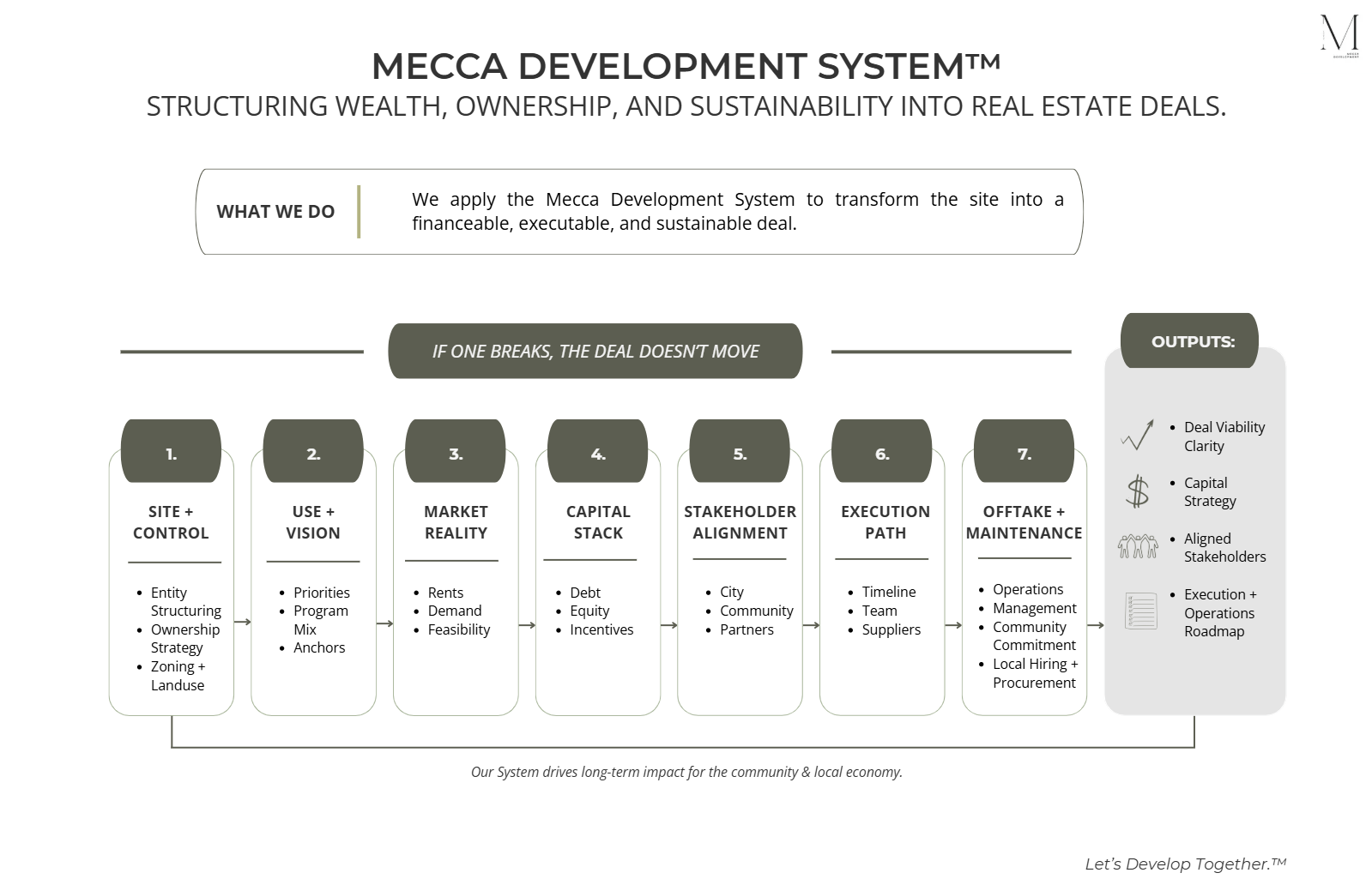
The conversation started with the basics: development is rarely funded by one source. Most projects depend on a mix of tax incentives, grants, philanthropic dollars, public programs, private investment, and nonprofit partnerships. These pieces make up what is often called the capital stack.
But the capital stack is not just a finance term. It shapes who has access, who carries risk, who gets protected, and who benefits when investment comes into a neighborhood.
That is why partnerships matter. The type of organization involved in a project can determine which funding sources are available. A nonprofit may qualify for resources that a private developer cannot. A church, community development corporation, or public agency may create access to different tools. When these partners are aligned early, they can help close funding gaps and structure projects around community needs instead of only market returns.
When Investment Creates Risk
The discussion also explored what happens when development succeeds financially but still harms the people it was meant to support.
A case study from Brooklyn showed how a formerly vacant and contaminated brewery site was redeveloped through partnerships between nonprofits, politicians, private developers, and architects. The project created 500 affordable housing units and raised more than $22 million. On paper, it was a strong example of what coordinated development can accomplish.
But over time, the surrounding neighborhood still experienced gentrification.
That raised one of the most important questions of the conversation: What safeguards need to be in place before investment arrives?
Participants discussed how rising land values can price out existing residents, especially renters, elders, small businesses, and families already navigating high costs of living. They also named the reality that many historically disinvested neighborhoods carry the burden of environmental contamination, poor infrastructure, and long-term health inequities. Development may bring new resources, but without strong protections, it can also accelerate displacement.
In other words, investment alone is not enough. Communities also need policies, tools, and agreements that protect long-term residents.
From Understanding Funding to Accessing It
A major theme that emerged was access.
It is one thing to know that funding exists. It is another to understand how to position yourself, your organization, your project, or your community to receive it.
That is where the conversation began to shift from awareness to action. Participants discussed the importance of understanding eligibility, timing, partnerships, documentation, and project structure. Funding is often tied to the type of entity applying, the intended use of the funds, the project location, and whether the project aligns with public priorities such as affordable housing, climate resiliency, historic preservation, transportation access, or community development.
This is also where many community-centered projects get stuck. The need is clear, but the pathway to funding is not. Communication gaps between agencies, funders, developers, and residents can slow down or stop projects before they move forward.
Part Two will build directly from this point.
What Part Two Will Address
The next conversation will move from broad concepts to specific tools.
Part Two of “Who’s Paying for This?” will take place Saturday, May 9 at Kuumba Juice & Coffee in Milwaukee. This session will focus on:
- specific funding sources available for development and community-centered projects
- how to access those funds
- how to position yourself or your organization to be funding-ready
- policies that can help mitigate gentrification
- financial tools that can help reduce the cost of living
- strategies residents and organizations can use to build leverage before deals are finalized
The goal is to make development finance more understandable and more actionable.
Participants will look more closely at tools like acquisition funds, grants, tax incentives, community benefit agreements, public financing programs, and renter-focused equity strategies. The conversation will also explore how policy can be used to protect residents, preserve affordability, and reduce displacement pressures as neighborhoods change.
Why This Matters
Too often, communities are invited into development conversations after the most important decisions have already been made. By that point, the land may already be controlled, the financing may already be structured, and the project goals may already be locked in.
Critical Conversations is designed to interrupt that pattern.
By making the money visible, communities can ask better questions earlier:
Who is eligible for the funding?
What strings are attached?
Who benefits from the investment?
What protections are built in?
How will renters, elders, and long-term residents be affected?
What policies can help people stay in place?
What financial tools can lower the cost of living instead of increasing it?
“Who’s Paying for This?” made clear that development finance is not just about closing a deal. It is about shaping outcomes.
If communities understand how projects are funded, they are better positioned to advocate, partner, negotiate, and lead. Part Two continues that work by moving from the question of who pays to the next question:
How do we access the tools that allow communities to benefit from investment without being displaced by it?