What the CDA Bus Tour Revealed About Milwaukee’s Housing Future
Innovation around Milwaukee Housing Development
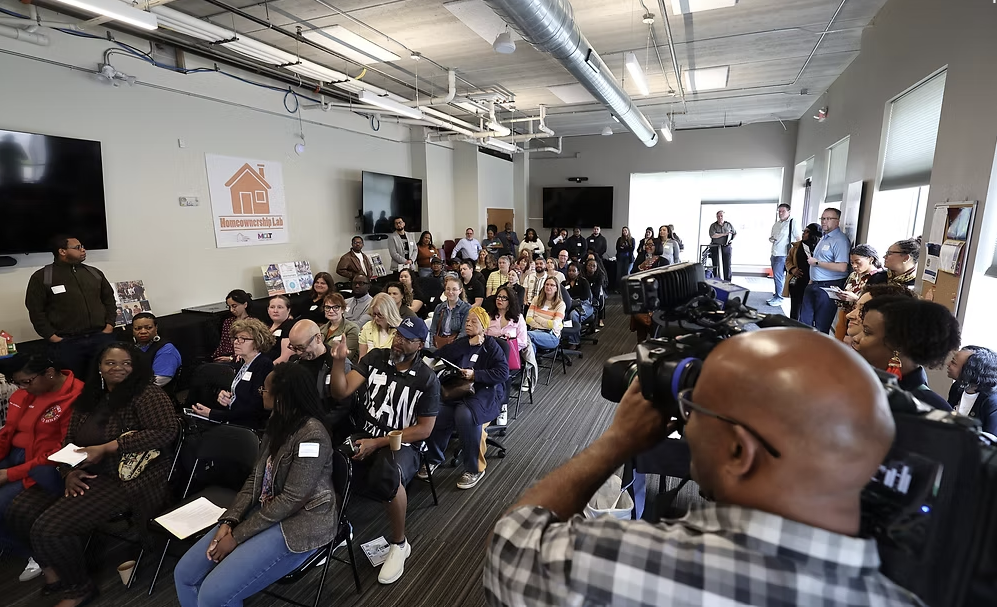
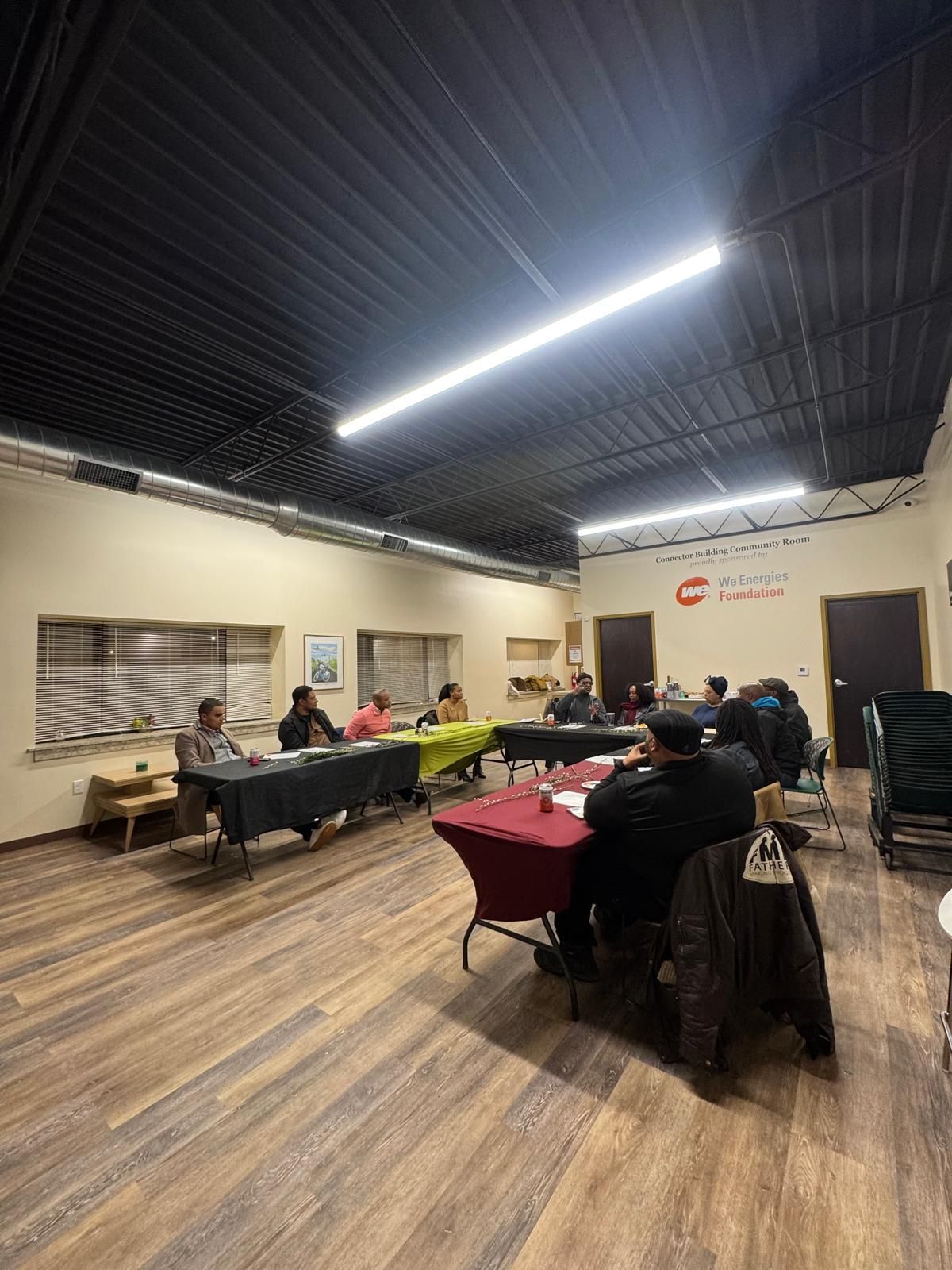
The recent Community Development Alliance bus tour offered a grounded look at Milwaukee’s housing ecosystem: the work underway, the barriers being navigated, and the opportunity to scale the models already taking shape.
For Mecca Development, the biggest takeaway was clear:
Milwaukee has strong housing leadership, deep local knowledge, and organizations already advancing meaningful solutions across the city.
Across the tour, we saw community development corporations, developers, architects, contractors, lenders, public agencies, and neighborhood partners restoring homes, advancing affordable housing, supporting ownership pathways, and testing new models for neighborhood stabilization.
The work is significant. It is also happening in a complex development environment where the scale of need continues to grow.
Milwaukee is producing and rehabbing homes in the tens and hundreds, while thousands of units, vacant lots, aging homes, and underutilized buildings still need to be built, repaired, financed, or repositioned. That gap is not a reflection of a lack of effort. It reflects the level of coordination, capital, capacity, and systems infrastructure required to move housing at scale.
The tour made that visible.
Several projects showed how housing can serve multiple purposes at once: shelter, workforce development, wealth-building,
Neighborhood stabilization, and local contractor training. That matters because Milwaukee’s housing future is not only about unit count. It is also about who builds, who owns, who benefits, and how value stays rooted in the community.
The tour also highlighted how thoughtful development decisions can improve project viability. Reducing excavation, simplifying a building footprint, phasing rehabilitation correctly, or understanding costs before design decisions are locked in can help projects move forward with greater clarity and less risk.
Affordability and ownership models were another important theme. Deed restrictions, shared equity structures, and buyer readiness programs can help protect residents from displacement while creating pathways to ownership. These models are valuable because they recognize that affordability is not only about price. It is also about financing, maintenance capacity, long-term stewardship, and community stability.
This is the type of work Mecca Development wants to build alongside.
The Milwaukee Housing Pilot is a live deployment of Regal.ia, Mecca Development’s development intelligence platform. Regal.ia is designed to help cities, developers, community organizations, and investors determine what should be built, where it should be built, and how projects can become financially, socially, and environmentally viable.
The goal is to add value to the strong work already happening across Milwaukee by helping organize information, clarify development pathways, and support more coordinated decision-making.
Through Regal.ia, Mecca Development is building a framework to evaluate sites earlier, identify constraints sooner, align funding pathways, assess climate and environmental risks, support anti-displacement strategies, and organize the information needed to move projects from concept to execution.
In practice, that means helping sort the development pipeline into clearer categories:
- Which sites are ready to move now?
- Which properties would benefit from additional capital, design, or policy alignment?
- Which buildings are strong candidates for adaptive reuse?
- Which lots could be clustered together to create scale?
- Which projects could support workforce, vendor, or contractor participation?
- Which ownership models can preserve affordability while still allowing projects to close?
This matters because Milwaukee does not only need more housing concepts. It needs more projects delivered within a single year.
To get there, the city will benefit from stronger pre-development systems: ways to reduce repetitive work, standardize decision-making where appropriate, identify risk earlier, coordinate stakeholders, and move viable projects through the pipeline more efficiently.
That is why the Milwaukee Housing Pilot is also focused on cluster-based development. Instead of treating every parcel as a standalone effort, the pilot looks at how multiple sites within a neighborhood or corridor can be sequenced together. This can support bulk purchasing, shared contractor relationships, consolidated approvals, phased financing, and more predictable delivery.
This is especially important in neighborhoods where development costs exceed what rents or sale prices can currently support. In those areas, the question is not only, “Can this one project pencil today?” The broader question is, “What conditions can help a pipeline of projects become viable over time?”
That is the shift Regal.ia is designed to support.
We don’t redline neighborhoods. We roadmap them.
For Mecca Development, that means using data, design strategy, community insight, and financial modeling to connect underutilized land, stalled sites, and fragmented opportunities to executable development pathways.
The CDA bus tour confirmed that Milwaukee already has many of the ingredients needed: strong community development leadership, public-sector attention, local knowledge, development experience, and a growing network of partners committed to housing solutions.
The next opportunity is coordination and scale.
- How can more projects get through feasibility faster?
- How can smaller developers access stronger underwriting and strategy support?
- How can workforce development connect to real project pipelines?
- How can local vendors and contractors be positioned to participate?
How can financing be structured so projects can close without compromising affordability or long-term community benefit?
These are the questions guiding the Milwaukee Housing Pilot.
Milwaukee has the vision, land, leadership, and urgency.
The opportunity now is to strengthen the systems that help that work move further, faster, and more equitably.
That is where Mecca Development and Regal.ia are focused: building alongside Milwaukee’s existing development ecosystem to help transform underutilized land, stalled sites, and fragmented opportunities into a more coordinated, executable, and community-aligned development pipeline.
The CDA bus tour made one thing clear: the future of housing in Milwaukee is already being built.
The next step is helping it scale.